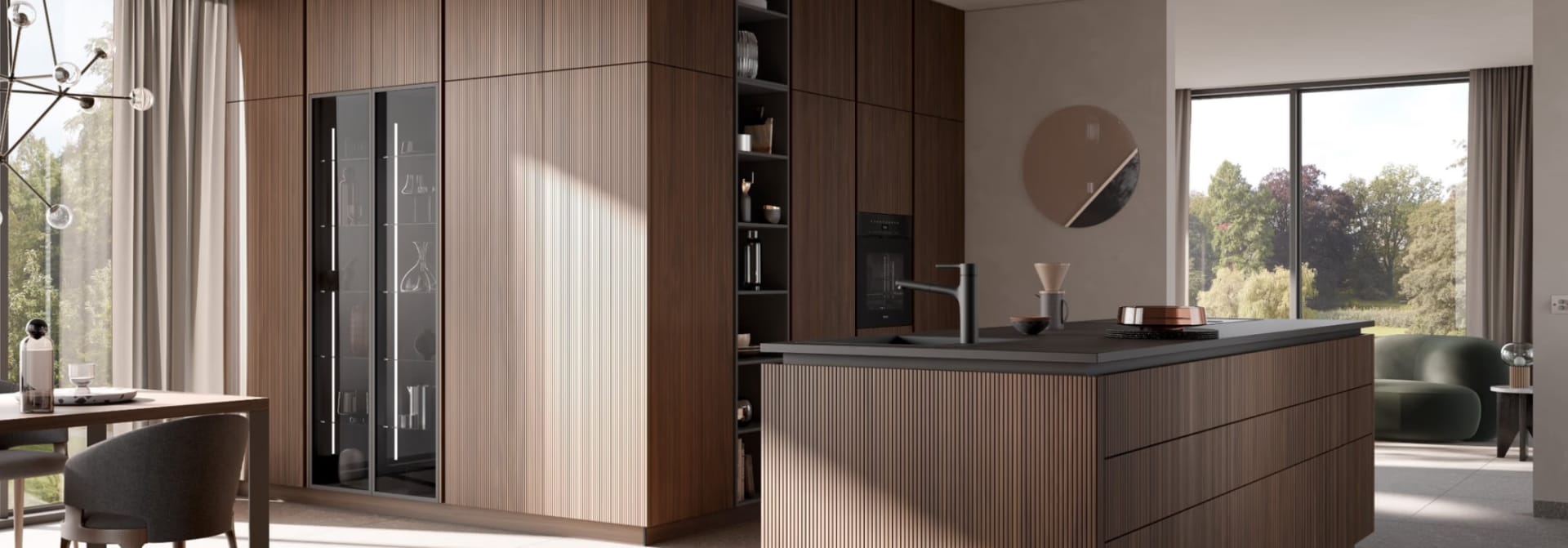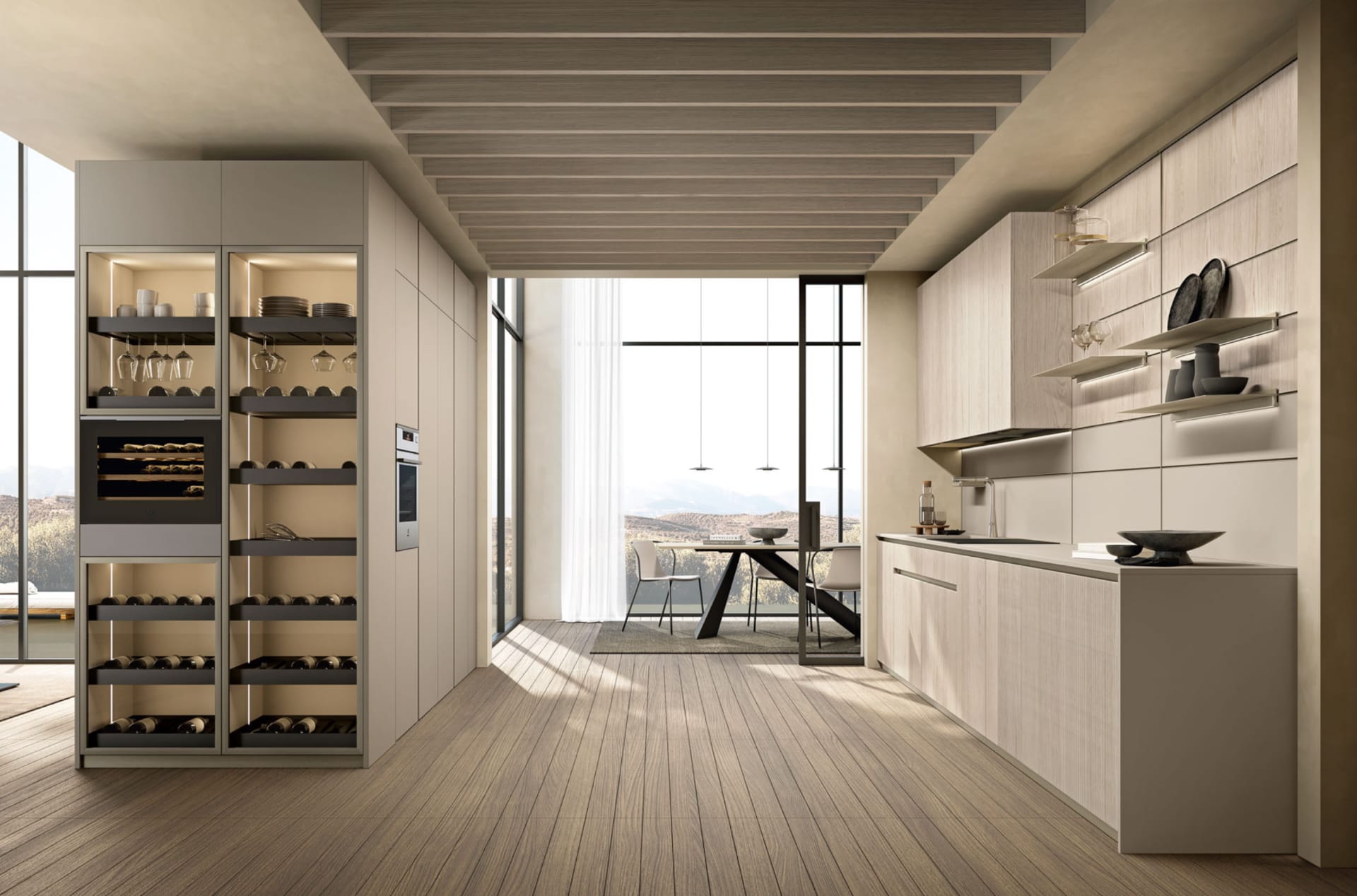
Smart kitchen technology has matured beyond novelty. The gimmicky touchscreens and voice-activated gadgets of a few years ago have given way to thoughtfully integrated systems that genuinely improve how luxury kitchens function. The key is knowing which technologies deliver lasting value — and which ones are better left out.
Intelligent Lighting Systems
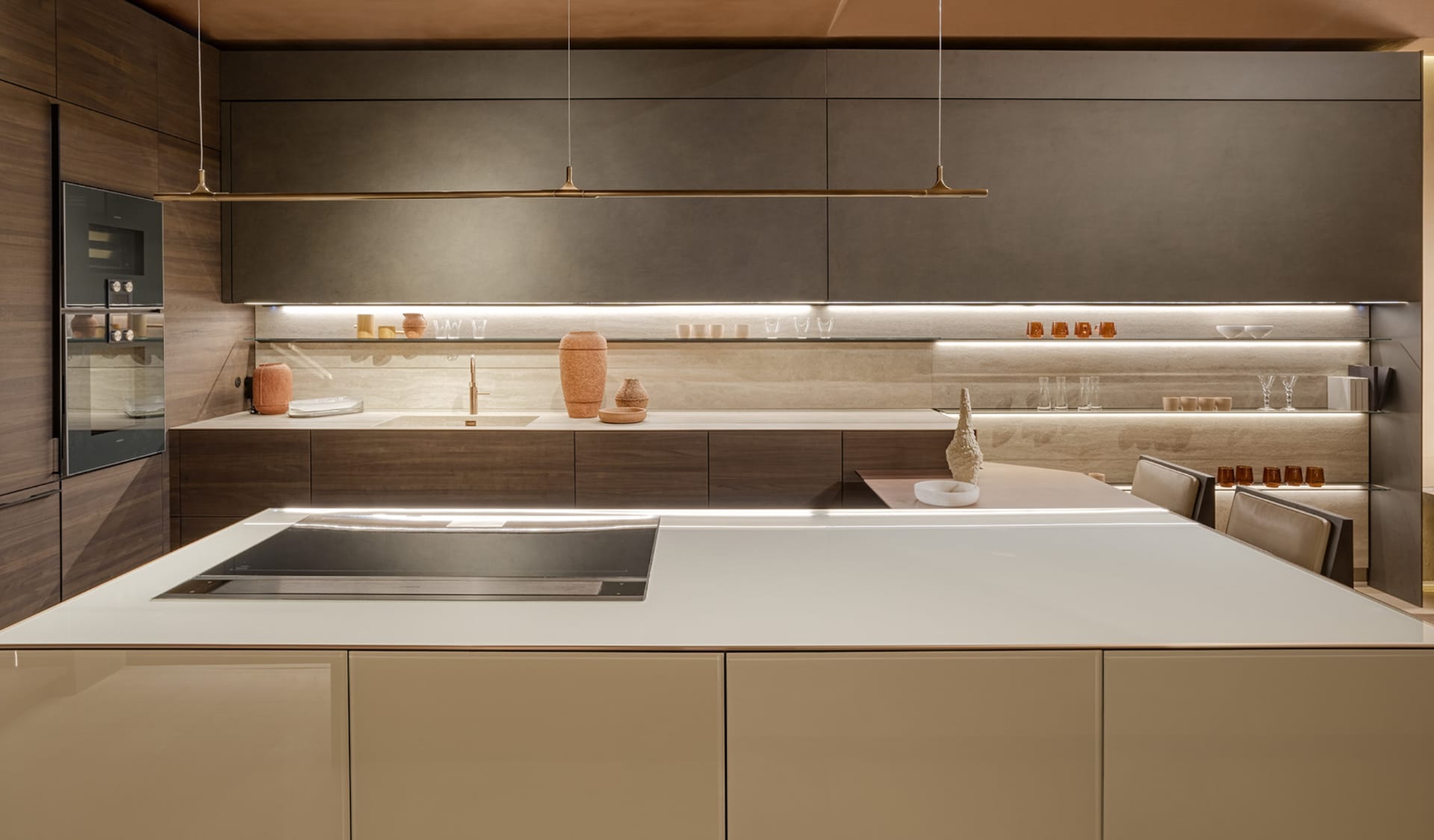
Lighting control is the single most impactful smart technology in a luxury kitchen. Systems like Lutron Homeworks or Ketra allow you to program lighting scenes that transform the kitchen’s atmosphere at the touch of a button — or automatically throughout the day.
Why it’s worth it: Morning light is bright and energizing for meal prep. Afternoon shifts to warm, natural tones. Evening dims to ambient warmth for entertaining. The kitchen adapts to your life without you ever touching a switch. Tunable white lighting (which adjusts color temperature from cool to warm) is the most noticeable upgrade our clients report after moving into their new kitchen.
Investment: A comprehensive lighting control system for a luxury kitchen typically runs $5,000-$15,000 including fixtures, dimmers, and programming.
Connected Appliance Ecosystems
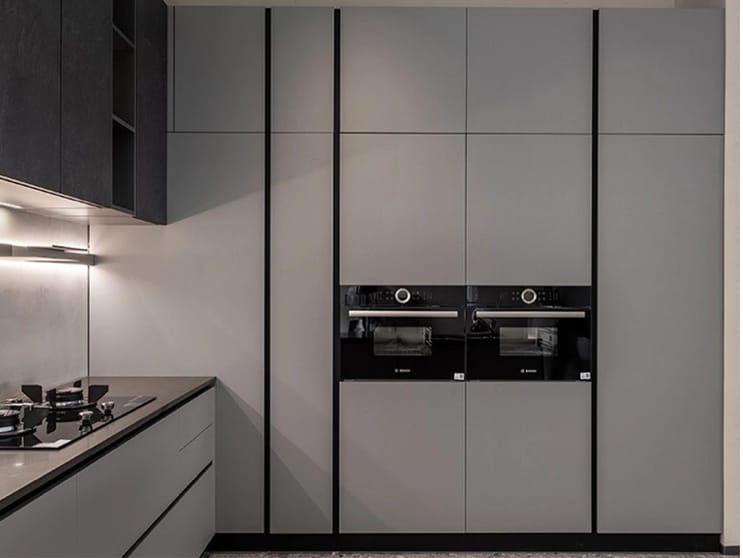
Premium appliance manufacturers have moved beyond individual smart appliances to create connected ecosystems. Brands featured in European-style kitchen designs — including Miele@Home, Sub-Zero/Wolf Connected, and Gaggenau Home Connect — allow your appliances to communicate with each other and with you:
Your oven preheats when the recipe timer on your phone says it’s time. The ventilation hood automatically adjusts fan speed based on cooktop activity. Your refrigerator alerts you when the water filter needs changing or when the door has been left open. These aren’t flashy features — they’re practical improvements to daily cooking that compound over time.
Why it’s worth it: Connected appliances reduce cognitive load in the kitchen. They handle the background tasks so you can focus on the cooking itself. Remote monitoring also provides peace of mind — check your oven from your phone to confirm it’s off.
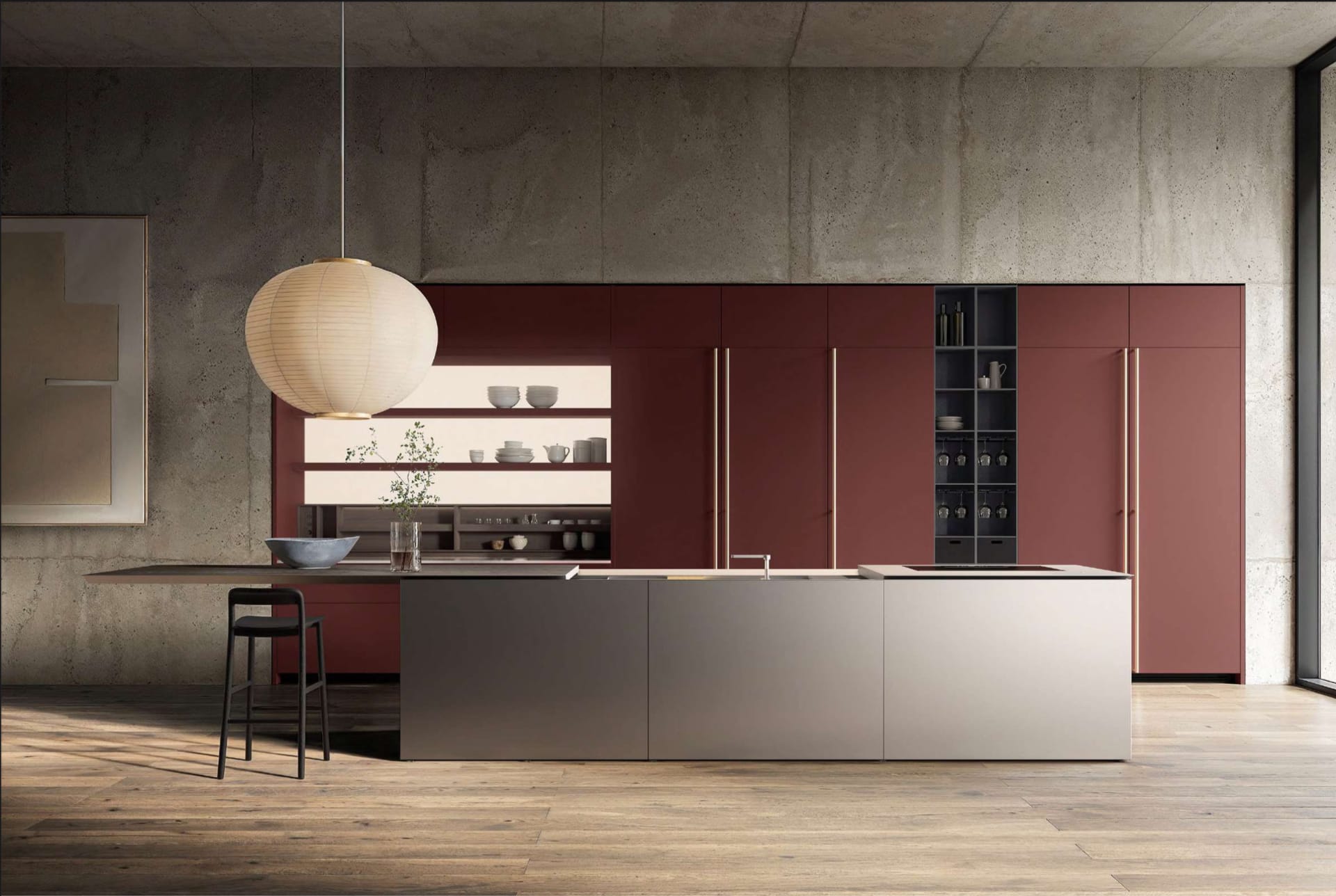
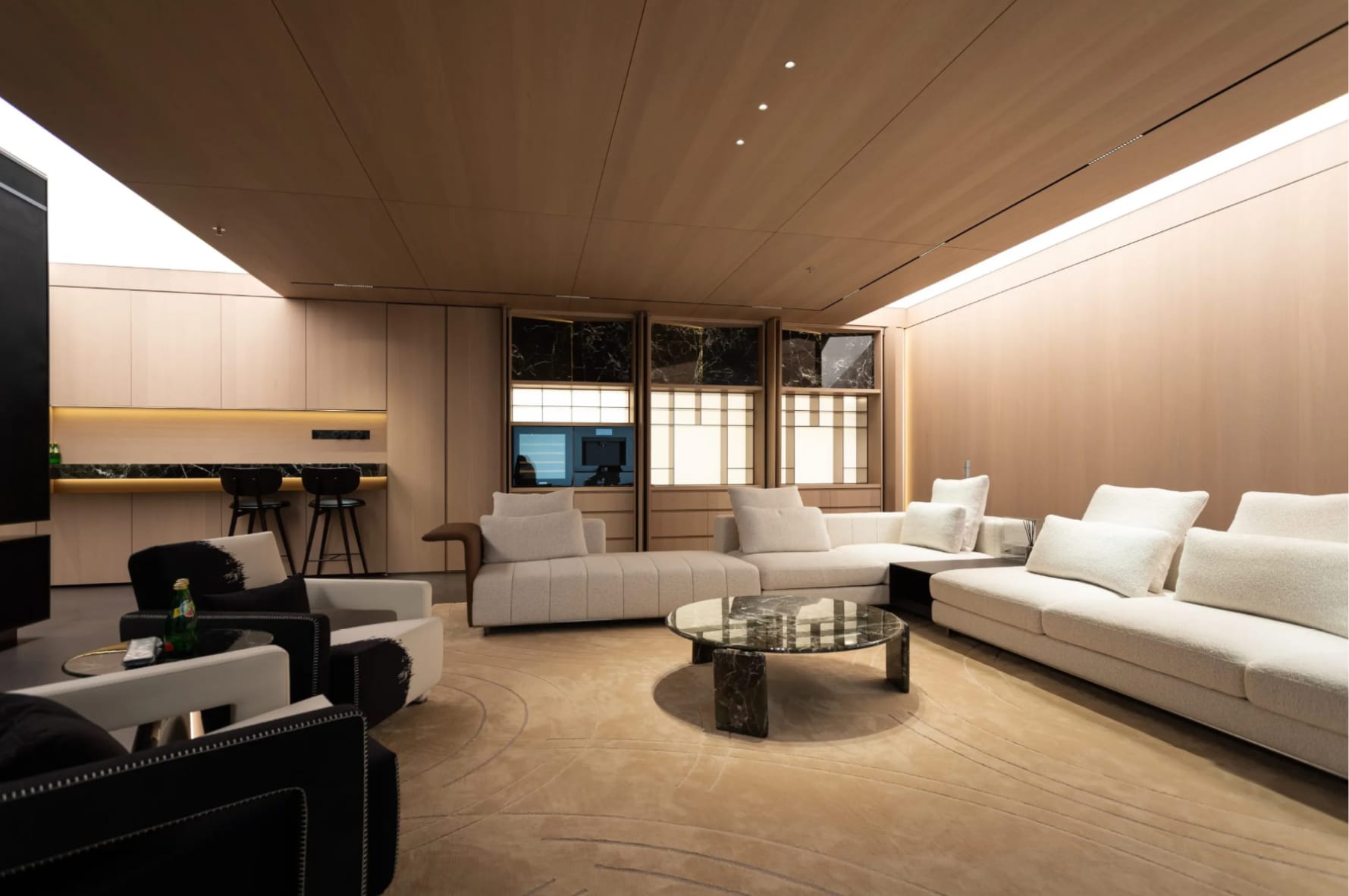
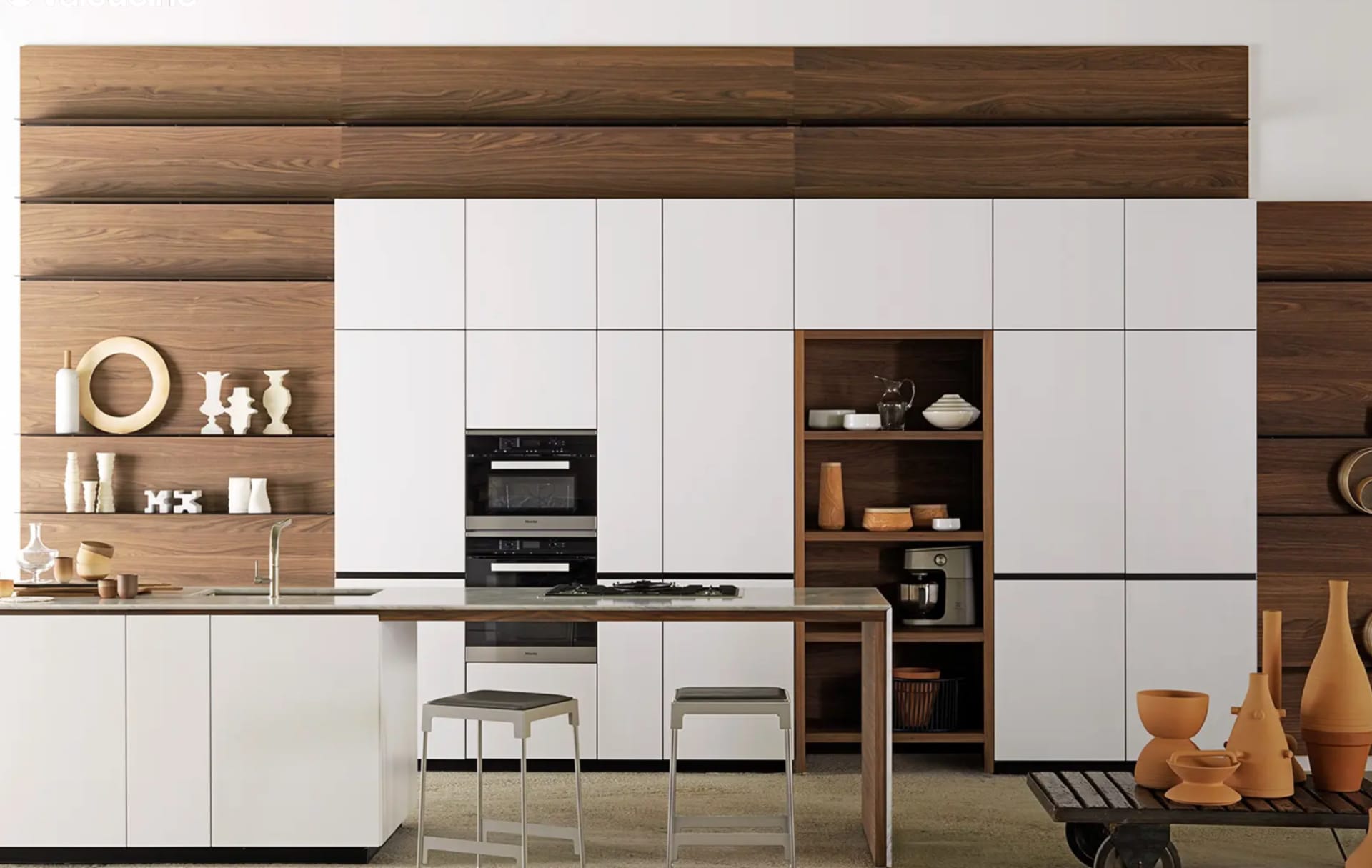 The best smart kitchen technology integrates invisibly into the design, enhancing function without dominating aesthetics.
Automated Ventilation
Smart ventilation is an unsung hero of kitchen technology. Sensor-driven range hoods like those from Zephyr, Best, or integrated into Wolf cooktops automatically detect cooking activity and adjust fan speed accordingly. Some systems even detect air quality changes and activate before you notice smoke or steam.
Why it’s worth it: Proper ventilation protects your cabinetry and surfaces from grease and moisture damage. Automated systems run at the right speed at the right time — something manual controls rarely achieve. They also shut off automatically after cooking, which most people forget to do.
Touchless Faucets and Water Systems
Motion-activated kitchen faucets from brands like Brizo and Kohler have become remarkably refined. The latest generation responds to proximity with precision — no more waving your hands around hoping it activates. Combined with instant hot water dispensers and built-in water filtration, these systems streamline every interaction with water in the kitchen.
Why it’s worth it: When your hands are covered in flour or raw chicken, touchless operation isn’t just convenient — it’s hygienic. The time saved over thousands of uses adds up, and the technology has become reliable enough to recommend without reservation.
What We Don’t Recommend
Not all smart kitchen technology earns its place. Based on our experience across hundreds of luxury kitchen projects, we generally advise against:
Smart refrigerator screens: The large touchscreens on some refrigerator models add cost and complexity without meaningful benefit. Most clients use them briefly and then ignore them. A quality refrigerator’s core functions (temperature stability, humidity control, air filtration) matter far more.
Voice-controlled everything: While voice assistants are useful for timers and music, trying to control every kitchen function by voice creates frustration. Physical controls are faster and more reliable for cooking tasks.
Over-automated cabinetry: Motorized cabinet doors and drawers that open with a wave can fail mechanically and are expensive to repair. Simple push-to-open mechanisms or quality soft-close hinges are more reliable and equally elegant.
The Invisible Integration Principle
The best smart kitchen technology is the kind you don’t notice. It works quietly in the background, making daily life a little smoother without demanding attention or cluttering your countertops. When we design a smart kitchen, we follow one rule: if the technology draws attention to itself, it’s not well integrated enough. For a broader look at where luxury kitchen design is heading, see our guide to 2026 luxury kitchen trends.
Frequently Asked Questions
What is the most worthwhile smart kitchen technology for a luxury home?
Intelligent lighting control consistently delivers the highest satisfaction among our clients. Systems like Lutron Homeworks allow you to program scenes that adapt throughout the day, and tunable white lighting that shifts color temperature is the upgrade homeowners notice and appreciate most in daily use.
How much does it cost to integrate smart technology into a kitchen remodel?
A comprehensive smart kitchen package — including lighting control, connected appliances, automated ventilation, and touchless faucets — typically adds $15,000 to $40,000 to a luxury kitchen remodel in Orange County or LA. Lighting control alone runs $5,000 to $15,000 depending on the number of zones and fixture quality.
Do smart kitchen appliances require special wiring or infrastructure?
Most connected appliance ecosystems run on your home’s Wi-Fi network and standard electrical connections. However, a robust Wi-Fi mesh system is essential, and dedicated circuits may be needed for certain appliances. The best time to plan smart infrastructure is during the remodel, when walls are open and wiring is accessible.
Will smart kitchen technology become outdated quickly?
The technologies we recommend — lighting control, connected appliances from premium manufacturers, and automated ventilation — are built on mature platforms with long-term support. We avoid trend-driven gadgets in favor of systems backed by established brands like Lutron, Miele, and Sub-Zero/Wolf, which have strong track records of backward compatibility and ongoing updates.
Design Your Smart Kitchen
We'll help you identify the technologies that make sense for your lifestyle and integrate them seamlessly into a beautiful design. No gimmicks — just smarter living.