Choosing between quartzite and marble is one of the most consequential decisions in a luxury kitchen design. Both stones are breathtaking, but they perform very differently in daily use. Understanding their differences will help you make a choice you’ll love for decades — and selecting the right luxury stone surface is something we guide our clients through on every project.
What Is Quartzite?
Quartzite is a natural metamorphic rock formed when sandstone is subjected to extreme heat and pressure deep within the earth. The result is an incredibly hard stone — harder than granite — with a crystalline structure that creates luminous depth and movement. Popular varieties include Taj Mahal, prized for its warm ivory base and soft gold veining that mimics the look of marble without the maintenance concerns. Calacatta quartzite offers dramatic white-and-grey movement nearly indistinguishable from its marble namesake. Mont Blanc features a clean white background with delicate grey wisps, while Super White (technically a dolomite in many slabs) provides a bright, marble-like aesthetic with greater durability. More exotic varieties like Azul Macaubas (deep blue with gold veining) and Patagonia (a bold mix of amber, cream, and charcoal) serve as true statement pieces in high-end kitchens.
What Is Marble?
Marble is a metamorphic rock formed from limestone. It’s softer than quartzite and features the iconic veining that has made it a symbol of luxury for millennia. Classic varieties like Calacatta Gold — with its warm, dramatic gold-and-grey veining on a bright white base — remain the most sought-after natural stone in the luxury market. Statuario marble is equally prestigious, distinguished by its bold grey veining and slightly warmer white background that reads beautifully in both traditional and contemporary kitchens. Carrara, the most widely available Italian marble, offers a softer grey palette at a more accessible price point. For homeowners seeking something rarer, Calacatta Viola features striking purple veining, while Arabescato presents a dramatic swirl pattern that creates gallery-worthy surfaces.
Durability & Hardness
Quartzite wins here. Rating 7 on the Mohs hardness scale (vs. marble’s 3-4), quartzite resists scratches, chips, and heat far better than marble. It won’t etch from acidic foods like lemon juice or tomato sauce — a significant advantage in a working kitchen. In practical terms, you can set a hot pan on a quartzite surface or slice a lemon directly on the counter without worrying about permanent damage, though we still recommend trivets and cutting boards to preserve the finish over decades of use.
Marble, while beautiful, is softer and more porous. It will develop etching (dull spots) from acidic substances and can stain more easily without regular sealing. Many homeowners embrace this patina as part of marble’s character — a well-used Calacatta island develops a softness over time that some find even more beautiful than a pristine slab — but it’s important to know going in.
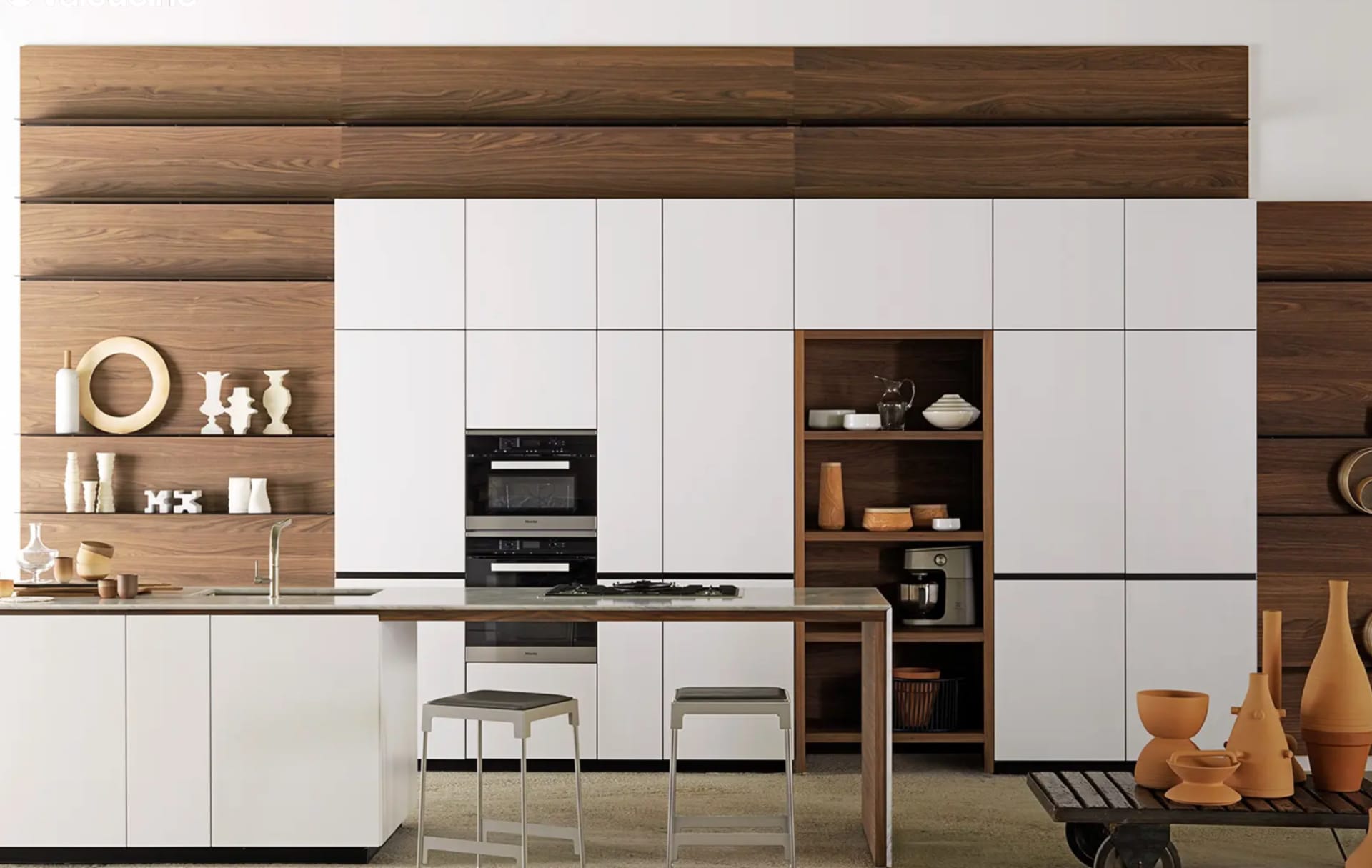 Quartzite offers marble-like beauty with significantly greater durability for daily kitchen use.
Maintenance
Quartzite requires less maintenance. It should be sealed once a year (a simple 30-minute process using a penetrating sealer like Stonetech BulletProof or SCI International’s Enhancer Pro) and cleaned daily with mild soap and water. It’s highly resistant to staining and doesn’t require the careful handling that marble demands. Most of our clients in Orange County find that quartzite fits seamlessly into their active kitchen lifestyle.
Marble needs more attention. Sealing every 6-12 months is recommended, and spills — particularly wine, coffee, citrus juice, and tomato-based sauces — should be wiped promptly to prevent staining. Cutting boards and trivets are essential — direct contact with knives or hot pans will damage the surface. For homeowners who cook frequently and entertain often, this level of care can become a consideration.
Aesthetic Comparison
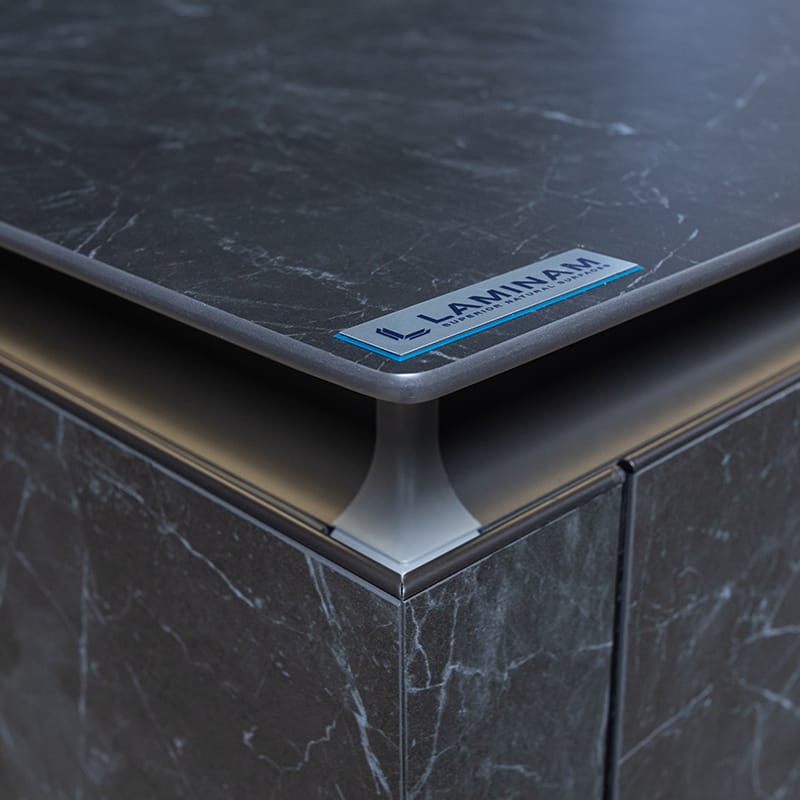
This is where personal preference plays the biggest role. Marble offers a softer, warmer appearance with its characteristic veining in tones of grey, gold, and green against white or cream backgrounds. It has a depth and luminosity that photographs rarely capture fully. A honed Calacatta Gold slab in person has a warmth and translucency that no digital image conveys — it’s why we always recommend selecting marble in person at the slab yard.
Quartzite can closely mimic marble’s appearance — varieties like Taj Mahal and Calacatta quartzite are often mistaken for marble — while also offering unique patterns not found in marble, including blues, greens, and dramatic movement that creates a true statement piece. Super White quartzite in a honed finish is virtually indistinguishable from white marble to the untrained eye but performs like granite in daily use. For more on pairing your stone selection with the right cabinetry and finishes, our guide to top kitchen countertop materials covers the full landscape.
At-a-Glance Comparison
| Feature | Quartzite | Marble |
|---|---|---|
| Hardness (Mohs) | 7 | 3-4 |
| Scratch resistance | Excellent | Low — scratches and etches easily |
| Heat resistance | High | Moderate — can discolor |
| Stain resistance | High (with annual sealing) | Low — requires frequent sealing |
| Sealing frequency | Once per year | Every 6-12 months |
| Etching from acids | Resistant | Susceptible |
| Price range (installed) | $120-$300+/sq ft | $100-$300+/sq ft |
| Popular varieties | Taj Mahal, Super White, Mont Blanc, Azul Macaubas | Calacatta Gold, Statuario, Carrara, Arabescato |
| Best suited for | High-use kitchen counters, islands | Butler’s pantries, bar tops, bathroom vanities, low-use islands |
| Lifespan | 50+ years with minimal care | 50+ years with diligent maintenance |
Cost Comparison
Both stones command premium prices, but costs vary significantly by variety and the complexity of fabrication:
Marble: $100-$250+ per square foot installed, depending on rarity and origin. Common Carrara marble sits at the lower end ($100-$140/sq ft installed), making it accessible for larger applications. Mid-range options like Calacatta Oro run $150-$220/sq ft. Rare selections like Calacatta Gold or Statuario can exceed $300 per square foot for exceptional slabs — and truly rare book-matched pairs can push beyond $400/sq ft. According to the Natural Stone Institute, Italian marbles have seen 10-15% price increases over the past two years due to increased global demand and limited quarry output.
Quartzite: $120-$300+ per square foot installed. Popular varieties like White Macaubas and Mont Blanc are moderately priced at $120-$180/sq ft. Mid-range selections like Taj Mahal typically run $150-$220/sq ft. Exotic options like Azul Macaubas ($250-$350/sq ft) or Patagonia ($200-$300/sq ft) can match or exceed the cost of rare marbles. Super White, depending on whether the specific slab is true quartzite or dolomite, ranges from $130-$200/sq ft installed.
For both materials, factor in an additional $30-$60/sq ft for complex fabrication — waterfall edges, mitered edges, or integrated drainboards add to the base slab and installation cost.
Our Recommendation
For luxury kitchens that see daily cooking and entertaining, we generally recommend quartzite for primary countertops and islands. It delivers the natural beauty homeowners want with the performance a working kitchen demands. In our kitchen remodeling projects across Orange County and LA, Taj Mahal quartzite and Super White are consistently among the most specified stones for primary kitchen surfaces.
Marble remains an excellent choice for areas with less direct use — butler’s pantries, bar areas, or bathroom vanities — where its beauty can be appreciated without the stress of heavy kitchen use. Some clients choose marble for a kitchen island specifically because they love the way it develops character over time.
The best choice is the one that matches your lifestyle. We help our clients navigate this decision by showing them full slabs, discussing their cooking habits, and sharing how each material performs in real LA homes over years of use.
Frequently Asked Questions
Can quartzite really look as good as marble?
Yes — several quartzite varieties are virtually indistinguishable from marble. Taj Mahal quartzite closely resembles Calacatta marble with its warm gold veining on a creamy white base. Super White quartzite mimics the clean, bright look of Statuario marble. The main visual difference is that quartzite tends to have a slightly more crystalline, luminous quality when light hits it, while marble has a softer, more matte depth. We recommend seeing both side by side at a slab yard to appreciate the subtle differences.
Is quartzite the same as quartz?
No — they are completely different materials. Quartzite is a natural stone quarried from the earth, with unique veining and variation in every slab. Quartz (often sold under brand names like Caesarstone, Cambria, and Silestone) is an engineered product made from ground quartz crystals bound with resin. While engineered quartz is durable and low-maintenance, it lacks the natural depth, movement, and character of quartzite. In the luxury market, natural quartzite is the preferred choice for homeowners who want authentic stone.
How do I maintain marble countertops in a busy kitchen?
Seal marble with a high-quality penetrating sealer every 6 to 12 months. Clean daily with a pH-neutral stone cleaner — avoid vinegar, Windex, or any acidic cleaning product. Wipe spills immediately, especially wine, coffee, lemon juice, and tomato sauce. Use cutting boards and trivets at all times. If etching occurs, a professional stone restoration specialist can hone and re-polish the surface. Many of our clients in Orange County find that a quarterly maintenance routine keeps their marble looking beautiful for years.
Which countertop material offers better resale value for a luxury home in LA?
Both materials add significant value to a luxury home. In the LA and Orange County market, natural stone countertops are expected in homes above the $2 million price point. Quartzite tends to appeal to a broader range of buyers because of its durability and lower maintenance profile, while rare marbles like Calacatta Gold carry strong prestige value. From a purely practical resale perspective, quartzite is the safer investment — but the right marble selection in the right home can be equally compelling to discerning buyers.
See Stone Selections in Person
Visit our showroom to touch and compare natural stone samples, or schedule a slab yard visit with our design team to select the perfect countertop for your kitchen.